Start with the stain, not the equipment
A green or dark organic film on a shaded north wall, under a canopy, or beside a wet planting bed may respond to a compatible soft-wash treatment. Pollen, bird residue, and atmospheric film can also be candidates after the surface is reviewed. By contrast, white haze may be efflorescence or mineral deposit; orange marks may be rust or oxidation; black streaks beneath a roof edge may be repeated runoff or biological growth; and a dull painted area may be coating failure. A pressure washer is not a diagnostic tool, and a stronger chemical is not a substitute for identifying the deposit.
Augusta's lower walls deserve their own question. Salt and sand from I-95, State Street, Western Avenue, parking lots, garage ramps, and snow-storage areas can bond to masonry or concrete. A compatible rinse may help loose film, but mineral deposits, damaged joints, rust, or worn coatings can require specialty treatment, hand work, repair, or a different trade. The scope should say what improvement is expected and what will remain if the underlying material is damaged.
- Use soft washing for compatible organic soil only after material and condition review.
- Use pressure selectively on sound, durable surfaces where impact and runoff can be controlled.
- Treat salt, mineral film, oxidation, soot, paint failure, and leaks as separate diagnostic questions.
- Test an inconspicuous area when the stain, coating, or desired finish is uncertain.
Compare Augusta materials one elevation at a time
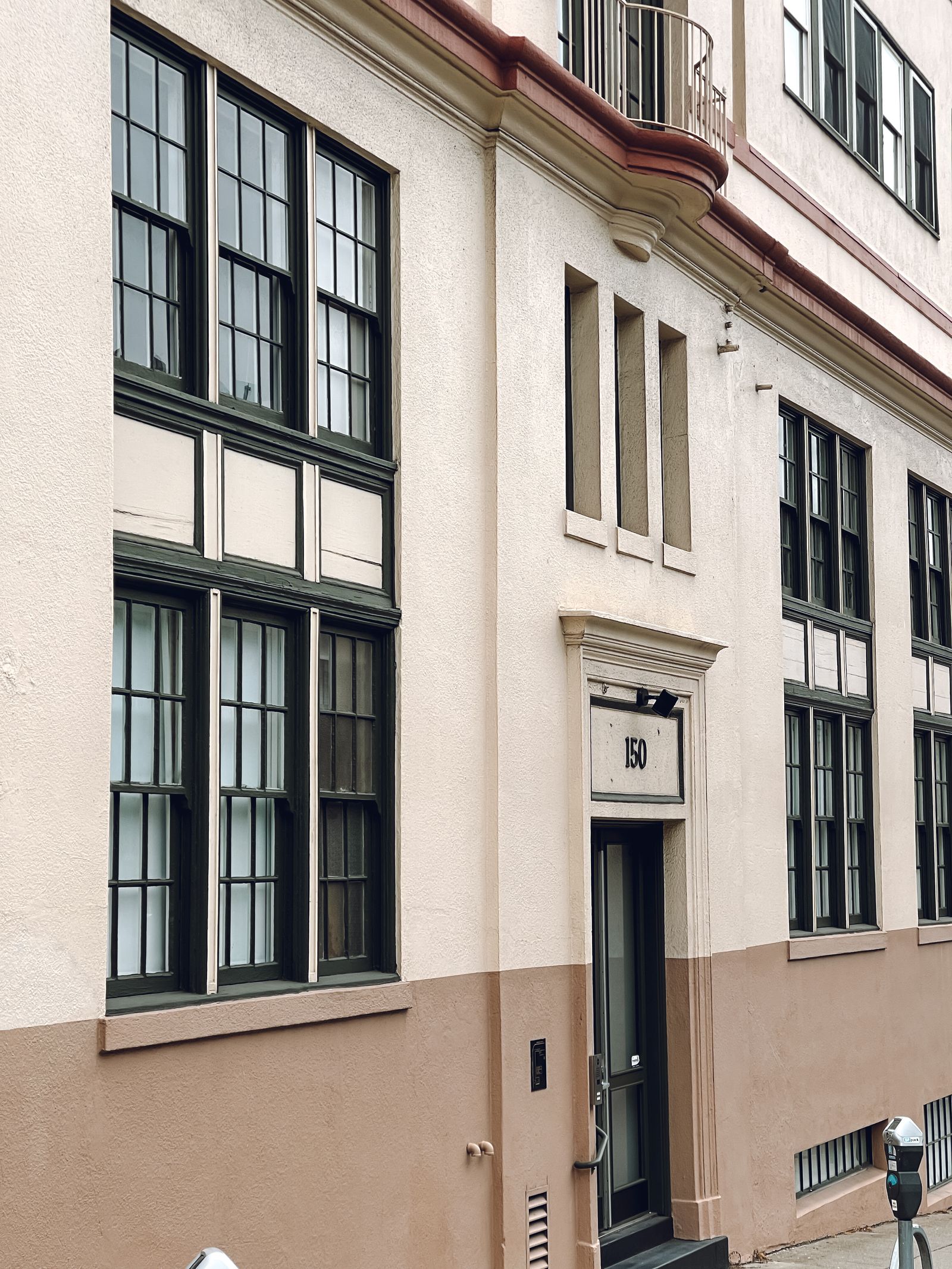
Brick and mortar near downtown or the State House may have different sensitivity from a newer concrete wall on Western Avenue. Historic or repaired masonry can have soft joints, previous patching, or water paths that make high impact a poor first choice. Painted wood, fiber-cement siding, EIFS, sealants, metal panels, glass, and decorative details also need their own protection and rinse assumptions. A building should be divided into material zones instead of receiving one pressure recommendation for every wall.
Pressure washing can make sense for sound concrete sidewalks, loading aprons, service yards, garage floors, and some parking structures when the operator controls distance, angle, flow, splash, and drain protection. It can also be part of a tested plan for a specific durable facade zone. It is a risky default for unknown coatings, deteriorated brick, soft stone, loose paint, open mortar, window seals, or architectural details. Soft washing reduces impact, but it is not automatically safe: chemistry, dwell, temperature, rinse, overspray, and material compatibility still matter.
For a mixed-use building near Civic Center Drive, the first-floor storefront may need hand detailing and glass protection while a broad upper cladding field can be treated from a different access position. At a Riverside Drive warehouse, the wall may be durable but the dock apron, truck lane, landscaping, and catch basins create the larger operational concern. The method belongs in a work plan that explains those differences.
Factor access, traffic, and Maine weather into the choice
A method that looks simple from the parking lot may become complicated at the wall. Downtown Augusta and State Street can have tight staging, public entrances, civic activity, and limited tolerance for hose crossings. Western Avenue and the retail corridors add moving vehicles, shared parking, signs, and customer routes. Civic Center Drive can change quickly around an event. Riverside Drive and industrial properties may have loading schedules, truck turning, fencing, and broad low areas. The safest choice may be a phased or hybrid sequence rather than one technique for the entire building.
Cold weather changes the decision. Snow, ice, road salt, freeze-thaw movement, and short drying windows can make winter pressure work impractical or leave a lower wall wet when temperatures fall. Spring melt can expose splash lines and direct rinse water toward catch basins or the Kennebec watershed. Summer humidity supports recurring growth on shaded surfaces, while thunderstorms, wind, and lightning can interrupt a planned wash. Schedule, surface temperature, wind, drying time, and public safety are method-selection factors, not calendar details to fill in later.
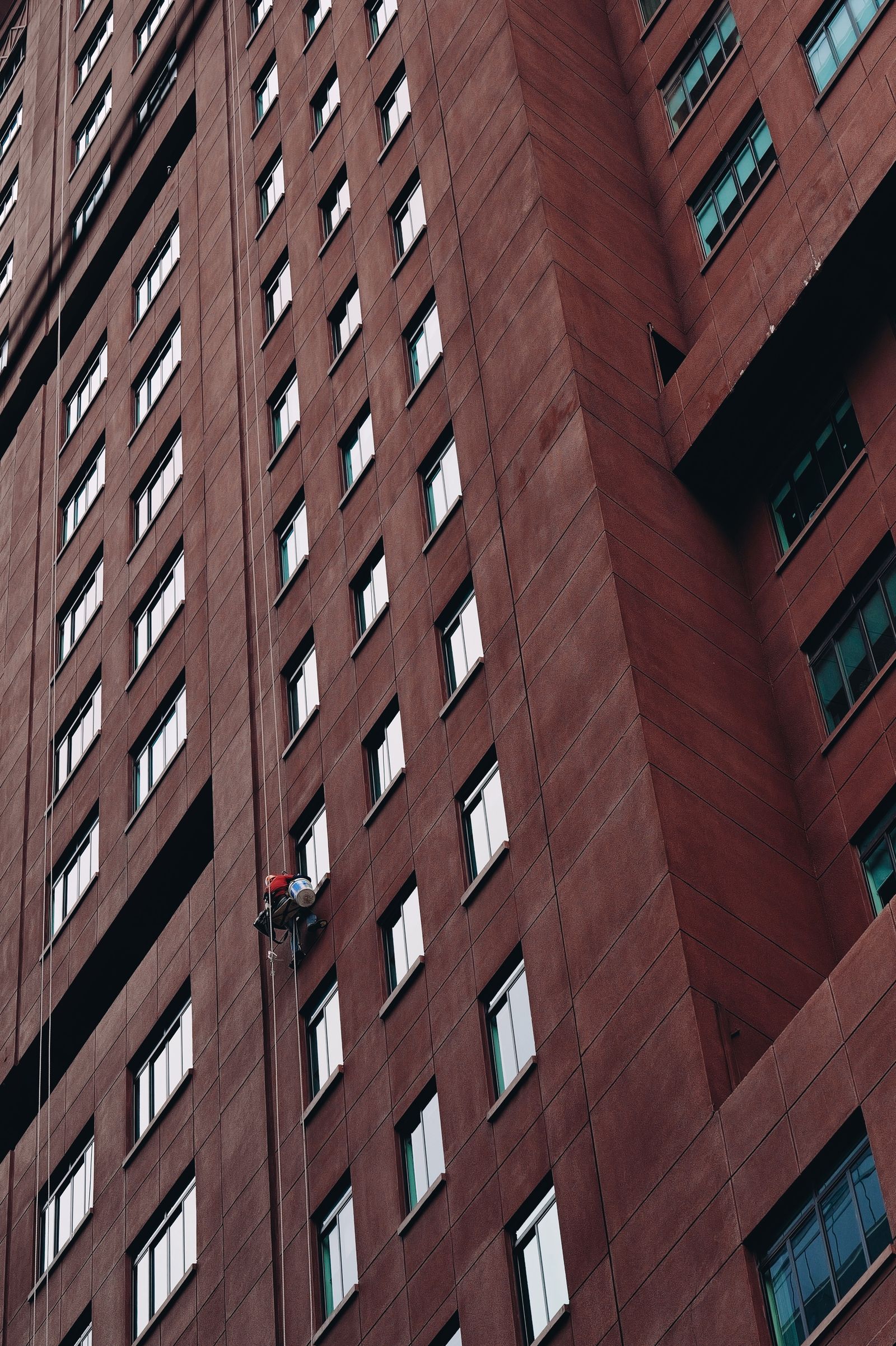
Aerial assistance may reduce lift staging on a suitable broad upper wall, but it does not replace contact work for windows, ledges, signs, joints, stubborn deposits, or fragile features. Address-level review is needed for launch space, wires, line of sight, wind, public separation, nearby aviation activity, and the finish required. If the upper wall can be treated remotely but the storefront needs hand work, the best answer is often a hybrid scope.
Make runoff part of the method comparison
Soft washing and pressure washing can both create wash water that carries soil, chemistry, salt, and loosened deposits. The volume, concentration, travel speed, and receiving area may differ, but neither method should assume that water can be pushed into the nearest catch basin. A downtown inlet, garage drain, low spot in a Western Avenue lot, landscaped depression, or Riverside Drive yard needs to be evaluated at the property level. The approved approach may include diversion, collection, recovery, filtration, reduced rinse, plant protection, disposal, or coordination with the responsible authority.
Maine Department of Environmental Protection stormwater resources are a useful starting point, but an online page does not replace site-specific review. The proposal should identify drains, slopes, doors, neighboring parcels, sensitive plantings, and who is responsible for confirming the water disposition. A first-rinse observation can catch an unexpected route before the full wall is wet. If a downspout, roof edge, planter, or drain defect is creating the stain, cleaning may be only one part of the solution.
Use a practical decision path for your Augusta property
Ask five questions before approving a method. What is the substrate and is it sound? What is the deposit and where did it come from? Which entrances, deliveries, vehicles, and public routes must remain usable? What weather window gives the work enough time to rinse and dry? Where will used water go? The answers usually narrow the choices quickly. A mixed facade may need soft washing on an organic-stained wall, controlled pressure on a durable service apron, hand work on signs and details, and a repair referral where water intrusion is present.
For a quote, send the Augusta address, photos from across the street and close to the stain, approximate height, material notes, priority elevations, operating hours, water access, nearby drains, parking or loading restrictions, and known repairs or previous cleaning. State whether you are comparing a one-time reset with recurring maintenance. The resulting proposal should distinguish recommended method, test area, expected finish, access, protection, runoff controls, exclusions, weather limits, and closeout documentation. That gives an owner a decision based on building risk and business needs rather than a pressure number on a truck.