Identify Augusta's materials before choosing the wash method
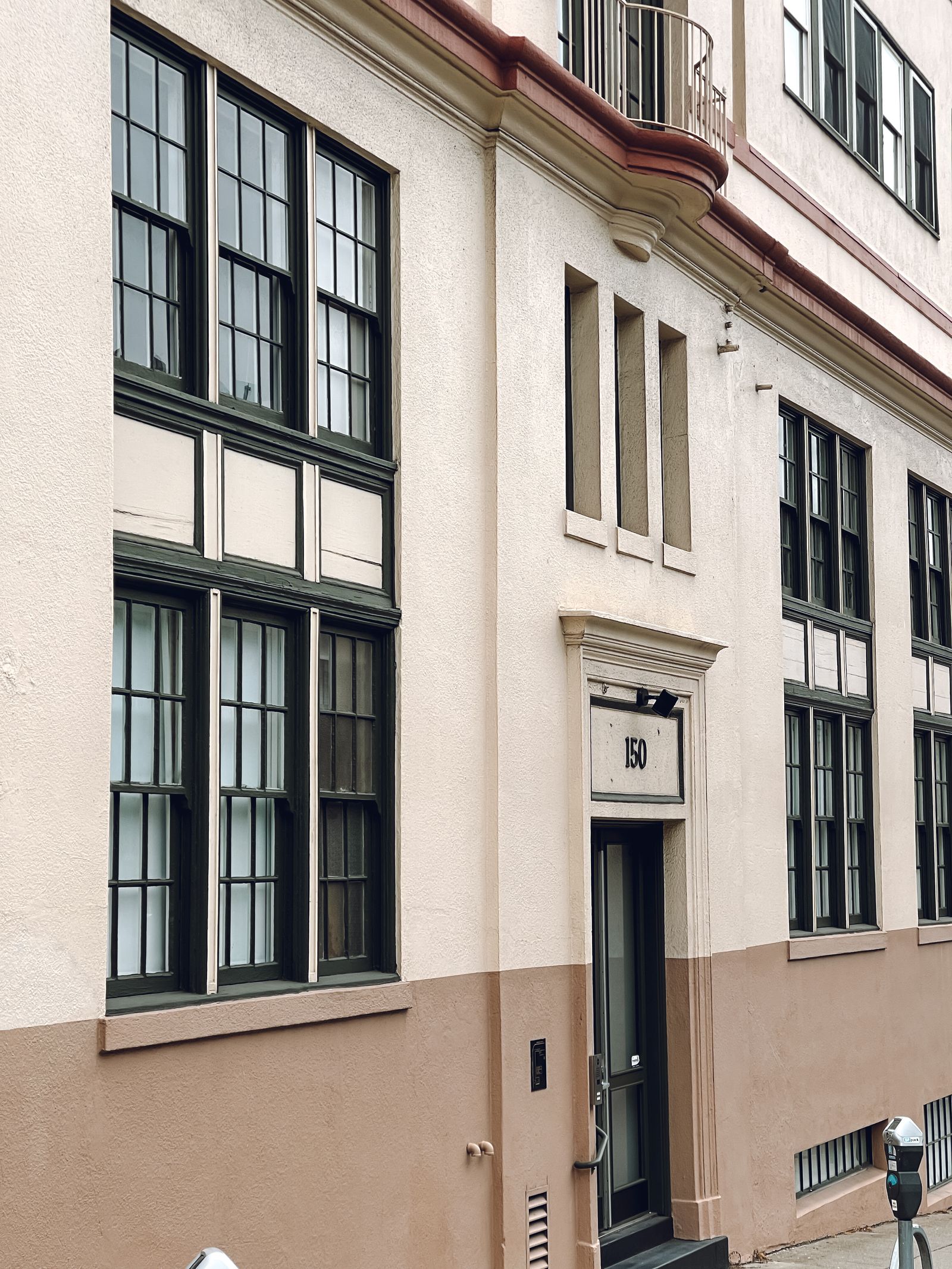
Augusta commercial exteriors commonly combine brick and mortar, painted wood, vinyl or fiber-cement siding, precast concrete, stone, glass, metal panels, EIFS, canopies, and repaired areas. A downtown building may have older masonry beside replacement windows or a newer addition. A retail property on Western Avenue may combine signs, awnings, glass, painted block, and parking-lot splash. A medical or institutional campus can add sensitive entrances, generators, air intakes, landscaped beds, and security equipment. The same address may require one approach on an upper wall and another at the base beside a drive lane.
Soft washing can suit compatible organic growth, pollen, mildew-like staining, bird residue, and some atmospheric film when the chemistry, dwell time, rinse, and protection plan match the surface. A dark area can also be oxidation, mineral residue, soot, old paint failure, a roof or gutter leak, or deteriorated masonry. More force is not a repair for open mortar, spalling, failed sealants, corrosion, or water entry. A representative test area helps establish compatibility and an honest appearance target when the facade history is unclear.
- Separate brick, mortar, stone, concrete, glass, metal, siding, EIFS, and painted zones.
- Distinguish organic growth from salt, mineral film, oxidation, exhaust, and material failure.
- Use a test area where coatings, repairs, historic details, or substrate condition are uncertain.
- Keep masonry repair, leak diagnosis, coating replacement, and restoration outside routine washing.
Build the route around Augusta neighborhoods and corridors
Downtown Augusta and the State Street corridor can place offices, government buildings, restaurants, hotels, apartments, sidewalks, bus activity, and public entrances close together. A property near Capitol Street or the Kennebec River may have event, legislative, visitor, or security considerations that make a full sidewalk closure unrealistic. The work plan should identify the entrances people actually use, arrival peaks, deliveries, accessible routes, and any state or municipal approval needed before equipment or hoses are staged.
Western Avenue and the Augusta marketplace area bring larger parking fields, retail tenants, drive-through traffic, signs, landscaped islands, and shared access. Civic Center Drive adds event schedules and sudden pedestrian or vehicle volume. Riverside Drive, Bangor Street, Northern Avenue, and the industrial edges can involve loading docks, truck turning, broad walls, fencing, and low points that carry water toward the Kennebec watershed. A property off Route 3, Route 17, or Route 202 may be easier to stage but still needs a plan for traffic, customer movement, and roadside visibility.
I-95 connects the market, but nearby road spray and winter treatment can leave different soil on traffic-facing elevations than on sheltered walls. The quote should name the working elevations, staging area, hose route, protected entrances, and backup sequence when a delivery, civic event, tenant, or emergency path conflicts with the planned window. That detail is especially useful for a property manager coordinating several tenants or a campus with its own operations team.
Schedule for snow, salt, freeze-thaw, and summer rain
Augusta's cold-season cycle affects both the facade and the work zone. Deicing salt, sand, and slush can collect at lower walls, garage approaches, curb-facing masonry, loading bays, and the areas where snow is pushed. Freeze-thaw movement can expose loose mortar, cracks, failed sealants, and coating defects that should be documented before water is introduced. Spring pollen and leaf debris settle on ledges and canopies, while shaded walls may stay damp longer. Summer thunderstorms can change runoff and make an elevated or public-facing setup unsafe with little notice.
A viable work window considers air and surface temperature, wind, rain, lightning, drying time, and the building's operating calendar. A north-facing wall may remain wet after a sunny south wall is ready for closeout. Wind can carry mist toward glazing, vehicles, landscaping, neighboring property, or a public route. Rain can dilute treatment or move rinse water beneath a door. The field lead should be able to pause, change the sequence, reduce the work zone, or reschedule when actual conditions no longer match the approved plan.
Recurring staining can be a building-water clue. An overflowing gutter, blocked scupper, downspout discharge, irrigation head, planter, condensation point, or roof-edge defect can keep one section wet after the rest of the facade dries. Cleaning can improve the appearance, but the proposal should tell the owner when a roofer, mason, envelope consultant, or drainage professional needs to investigate the source rather than promising that another wash will make the condition stay gone.
- Inspect lower walls, entrances, loading zones, roof edges, gutters, and downspouts after winter exposure.
- Check temperature, wind, rain, lightning, surface condition, and drying time before each phase.
- Protect glass, vegetation, metals, coatings, equipment, and accessible paths from chemistry and overspray.
- Agree on weather pause, cold-weather, and rescheduling triggers before mobilization.
Coordinate occupied access from State Street to the loading yard
Before application, map public and employee entrances, accessible routes, patient or guest drop-offs, air intakes, cameras, electrical equipment, landscaping, outdoor seating, parked vehicles, signs, and neighboring property. A state or downtown office may need one doorway open throughout a phase. A clinic may need a predictable accessible route and quiet timing. A retail center may need entrance-by-entrance work around opening hours. A warehouse may need dock doors and truck lanes available instead of blocked by hose, barriers, or equipment.
The plan should identify water access, staging, hose crossings, barriers, spotters, security approvals, emergency paths, and the person authorized to stop work. Augusta parking lots, garage ramps, curb lines, and industrial yards can direct water toward catch basins, planted areas, adjacent parcels, or thresholds. An initial rinse observation is useful because a dry pavement inspection may not reveal the path that appears once a wall and lot are wet. Closeout photos should show completed elevations, remaining deposits, pre-existing damage, and any work deferred to another trade.
A clear quote makes operating assumptions visible. It should say whether water, access equipment, tenant notices, sidewalk controls, protection, runoff management, and after-hours work are included or need to be arranged by the property. Phasing can reduce the number of entrances or drive lanes affected at one time. For an Augusta owner, that predictability is part of the service: the building should look better without creating an avoidable interruption for the people who use it.
- Locate entrances, accessible routes, air intakes, loading areas, landscaping, vehicles, and emergency access.
- Confirm hose routing, water supply, barriers, spotters, security, and staging before mobilization.
- Coordinate tenant, patient, visitor, employee, delivery, event, and truck activity by phase.
- Document completed zones, visible limitations, pre-existing damage, and follow-up recommendations.
Plan runoff for the Kennebec watershed and the actual site
Wash water needs an intentional path. The question is not simply whether an Augusta property has a storm drain, but what product, soil, rinse volume, slope, drain type, landscaping, and local requirement apply to the operation. A curb inlet downtown, a garage drain, a low point beside Western Avenue, or a yard inlet near Riverside Drive may need different controls. Depending on the site, the plan may include diversion, collection, recovery, reduced rinse volume, filtration, plant protection, disposal, or coordination with the responsible authority.
Maine stormwater guidance emphasizes keeping pollutants from reaching waters and drainage systems. The scope should identify visible drains, low spots, receiving areas, sensitive landscape, neighboring property, and the person who confirms the approved disposition. If water starts moving under a door, across an active lane, or toward an unexpected inlet, the operator should pause and correct the setup. A summer downpour is another reason to include a weather fallback rather than relying on a forecast alone.
Runoff review can also reveal why a facade streaks. A downspout that discharges onto a lower wall, a roof edge that overflows, or a saturated planting bed may matter more than another cleaning cycle. The service can report those observations while keeping washing, drainage repair, roofing, plumbing, and envelope work separate in the proposal.
Request an Augusta quote that explains the finish
Send the property address, building use, approximate height, facade materials, priority elevations, close photos of stains, desired timing, operating hours, water access, nearby drains, access restrictions, and known leaks, loose material, coating failure, or previous cleaning damage. Include wide photos that show neighboring sidewalks, parking, landscaping, loading areas, and roof edges; close photos alone cannot show how a crew will reach or protect the wall.
A useful proposal names the surfaces included, planned treatment, access method, test area, expected improvement, exclusions, weather limits, public controls, runoff assumptions, and closeout record. It separates facade cleaning from window cleaning, mineral or rust removal, graffiti work, repairs, coating work, and historic restoration. If your Augusta property needs a one-time appearance reset, phased elevations, or a recurring maintenance plan, that goal should be visible in the scope so the next decision is easy to make.